Provincial Statutes and Their Effects on Reward Mechanisms in Handheld Card Competitions
Kai Krause · Aug 24, 2026
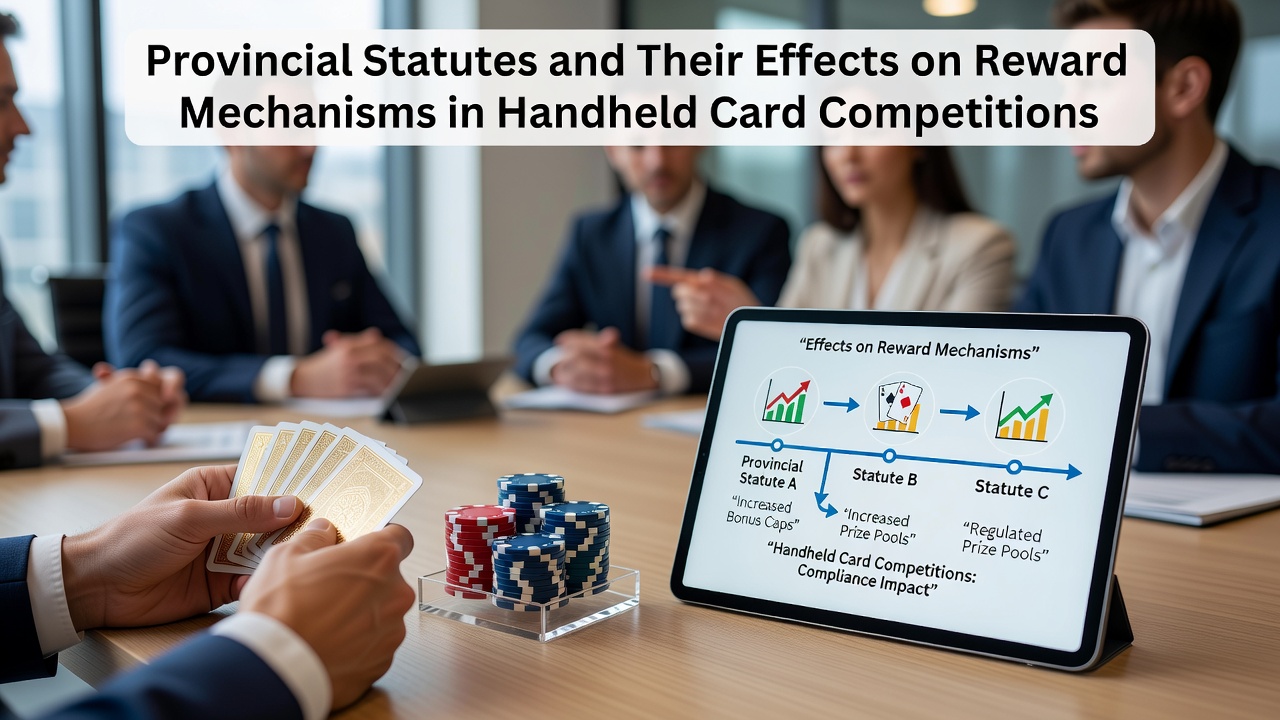
Provincial Statutes and Their Effects on Reward Mechanisms in Handheld Card Competitions
Provincial statutes across Canada shape reward mechanisms in handheld card competitions by setting clear boundaries on bonus structures, promotional offers, and player incentives that mobile applications can provide. These regulations vary by jurisdiction and directly influence how operators design loyalty programs, deposit matches, and in-game rewards for games such as poker and other card formats played on smartphones and tablets. Observers note that compliance requirements often force developers to recalibrate their systems whenever a province updates its gaming framework, creating a patchwork of rules that companies must navigate carefully.
Data from regulatory filings show that Quebec maintains some of the stricter oversight mechanisms compared to neighboring provinces, requiring operators to obtain specific approvals before launching new reward features in handheld formats. Studies conducted by industry analysts reveal that these approvals can take several months and involve detailed reviews of payout percentages tied to promotional credits. Meanwhile Ontario has introduced its own licensing regime that emphasizes transparent disclosure of reward terms, leading many applications to display detailed breakdowns of bonus wagering requirements directly within the user interface.
Regulatory Variations Across Canadian Provinces
Each province enforces distinct statutes that affect how rewards accumulate and convert within handheld card competitions. British Columbia, for instance, ties certain bonus structures to player age verification protocols that must integrate seamlessly with mobile account creation processes. Alberta focuses on limits regarding the frequency of reward distributions, which has prompted developers to adjust notification schedules in their apps to avoid exceeding daily or weekly caps. Researchers have documented these differences through comparative analyses of operator compliance reports, highlighting how a single national application must maintain multiple regional configurations to remain operational.
Handheld platforms often rely on geolocation technology to apply the correct provincial rules in real time, and updates scheduled for August 2026 are expected to introduce enhanced tracking standards in several jurisdictions. Figures from licensing bodies indicate that operators who fail to update their systems accordingly face temporary suspension of reward features until full compliance is verified. Those who've studied the transition periods note that companies typically allocate substantial resources to testing these location-based filters ahead of regulatory deadlines.
Impact on Bonus Structures and Player Incentives
Statutory requirements frequently dictate the maximum value of welcome bonuses and ongoing loyalty rewards offered in mobile card environments. In provinces with tighter controls, operators have shifted toward non-cash incentives such as tournament entries or exclusive event access rather than direct monetary rewards. Evidence from app analytics platforms demonstrates that these alternative mechanisms maintain player engagement levels while satisfying legal constraints on monetary promotions. What's interesting is how some handheld competitions now incorporate achievement-based rewards that unlock gradually, spreading value across multiple sessions to align with provincial spending and time limits.

According to reports from the Alcohol and Gaming Commission of Ontario, reward mechanisms must include clear expiration dates and conversion rules that players can access without navigating multiple menu layers. Similar guidelines appear in other provincial frameworks, pushing developers to standardize information displays across different handheld operating systems. Data indicates that simplified reward explanations correlate with higher retention rates in regulated markets, though operators continue to experiment with tiered systems that unlock additional benefits based on verified play volume.
Technological Adaptations and Compliance Tools
Developers have responded to provincial statutes by embedding compliance modules directly into handheld card applications. These modules automatically adjust available rewards based on the user's detected province and enforce any statutory cooling-off periods between bonus claims. One study revealed that applications incorporating such adaptive systems experienced fewer regulatory interventions during routine audits. Industry organizations such as the Canadian Gaming Association have published technical guidelines that outline best practices for integrating these controls without disrupting gameplay flow.
August 2026 marks the anticipated rollout of updated reporting requirements in multiple provinces, requiring operators to submit detailed logs of reward distributions through handheld channels. Companies are already preparing by enhancing their backend analytics to capture the necessary data points. Observers note that these preparations include training support staff to handle player inquiries about how provincial rules influence specific reward outcomes.
Conclusion
Provincial statutes continue to define the boundaries within which reward mechanisms operate in handheld card competitions, creating a dynamic environment where operators must balance innovation with legal adherence. Ongoing adjustments to these frameworks, including those planned around August 2026, will likely prompt further refinements in mobile application design. Data from regulatory sources and industry reports show that successful operators maintain flexible systems capable of accommodating regional differences while delivering consistent player experiences across provinces.